
Institute for Human-Animal Connection
The well-being of humans, other species, and the environment are deeply interconnected, from thoughtful human-animal interactions to global biodiversity. Through research focused on mental health and equity and accessible education, the Institute for Human-Animal Connection (IHAC) elevates the value of the living world and the interrelationship of humans, other species and the environment.
Guided by our commitment to social justice, ethics, and cultural responsiveness—and a belief in the power of systemic change—we drive improvements in human-animal-environment interactions. We collaborate and share our expertise with our Colorado community and worldwide, knowing that when we promote healthy human-animal-environment relationships, we improve outcomes for all.

Research into Human-Animal Relationships
We are working to improve the well-being of humans, animals, and the environment through rigorous research and scholarship focused on mental health and equity. Our research aims to understand how interactions with other species and the environment affect individual and community health and well-being, and provides new insights into the relationships between humans, animals, and the environment we share.
IHAC Research
Human-Animal Interactions and Mental Health
This area of our research seeks to understand how interactions with other species affect people’s mental health.
Learn MoreHuman-Animal Interactions and Equity
This area of our research seeks to understand inequity experienced by individuals and families who live with companion animals.
Learn More
IHAC Education
Our professional development programs, or IHACPro, focus on helping professionals increase their understanding of animal behavior and human-animal-environment interactions, as well as enhancing their practice working in partnership with animals. We center ethics and animal welfare in all of our educational programs, including professional development certificates, courses, webinars, and the Master of Social Work (MSW) Human-Animal-Environment Interaction certificate.
IHACPro Offerings
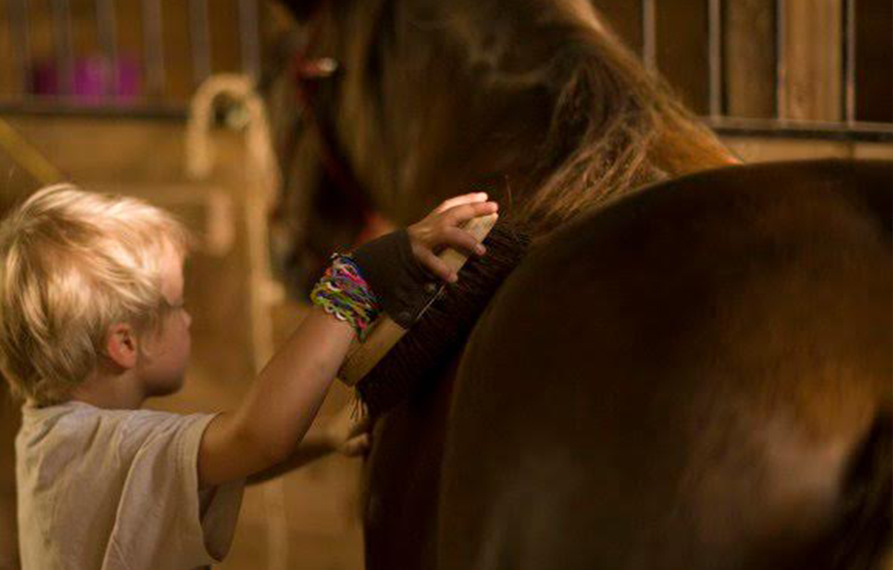
Certificates
IHACPro currently offers three certificates for individuals interested in gaining knowledge and skills to ethically integrate animals into their professional practice.
Learn More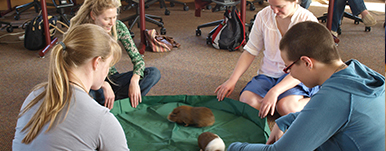
Courses
IHACPro offers both self-paced and instructor-led courses on various topics in human-animal interactions available to anyone around the globe.
Learn MoreWhat's New at IHAC
November 5
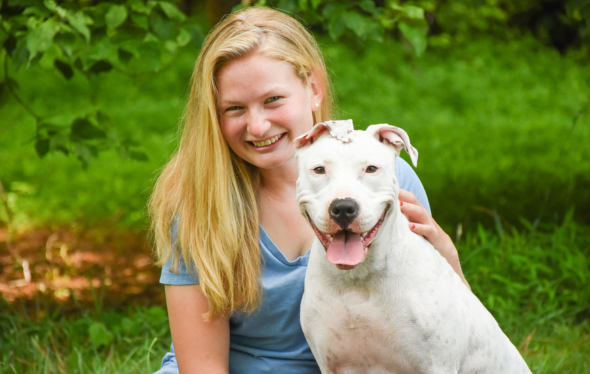
Integrating Human-Animal Interaction into Wellness: Insights from the Workplace, the Classroom, and the Horse Pasture
Join the Institute for Human-Animal Connection in this quarterly research seminar and hear Dr. Nieforth discuss findings from her recent studies focused on the integration of dogs into the workplaces, pets in the classroom, and incorporating horses into personal development for veteran wellbeing. She will highlight the unique benefits and challenges of these human-animal interactions and present opportunities for the next steps.
- 11 AM Mountain Time
- Craig Hall 120 or virtually via Zoom
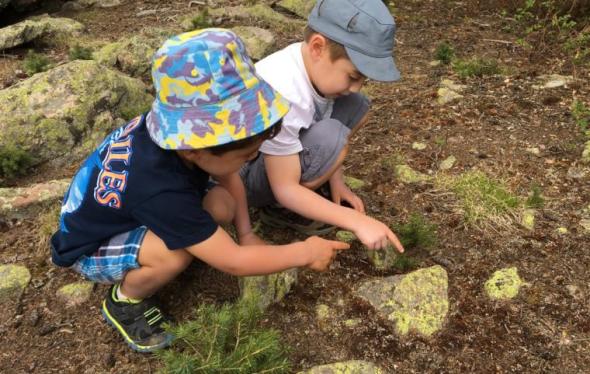
Creating a Compassionate and Humane Pedagogy Course
We have a brand new online course available with NO eligibility requirements! Complete coursework entirely on your own time and at your own pace.
Designed for educators who want to bring a more compassionate, whole-systems lens into their classrooms, you will explore trauma-sensitive education, inclusion & belonging, cultural humility, and how human rights, animal protection, and environmental care all connect with practical strategies for educator well-being.
New IHAC Publication
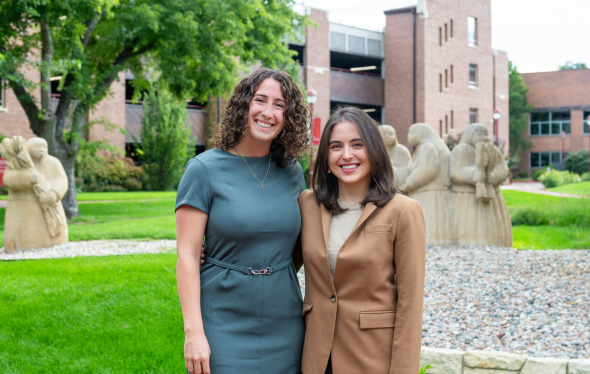
New research publication out now! Titled, "Demographic Disparities in Animal Law Enforcement: Rates and Outcomes."
Using Social Vulnerability Index (SVI) scores as a measure of community marginalization, results indicate that the most marginalized communities experience both the most cases and higher rates of punitive outcomes from animal control. Further, the Racial & Ethnic Minority Status and Socioeconomic Status SVI domains primarily influence the disparities, even when controlling for case type. Combined results highlight racial and socioeconomic inequities in animal law enforcement.

Intentional Listening: Lessons from Community-Centered Pet Care
Check out our latest student-written article about the PetSmart Charities Incubator project! In this article, Veterinarian Sarah Reidenbach of Ruthless Kindness shares how intentional listening and trust-building are transforming pet care access in Napa, CA and what it means to "give before you get."

IHAC's Impact

30+ Graduate students participate in IHAC research projects yearly.
70 MSW students trained in human-animal-environment interactions annually.
1,300+ People from six continents have participated in IHACPro courses and certificates.