


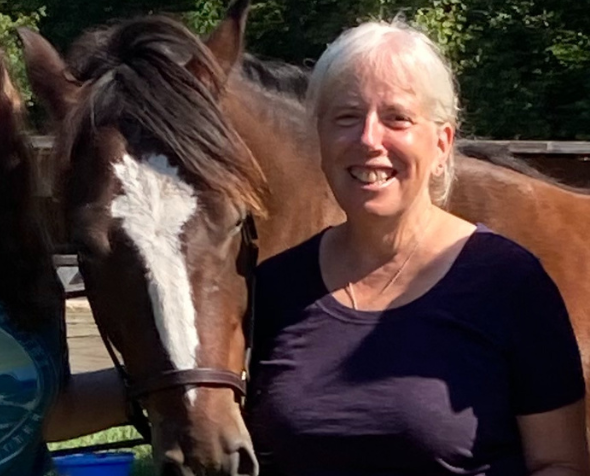
For Dr. Vicki Kirsch, the Equine-Assisted Mental Health (EAMH) Certificate program was life changing. With a hybrid model featuring online courses and three, in-person workshops, Kirsch had found a program that offered a deeper learning experience.
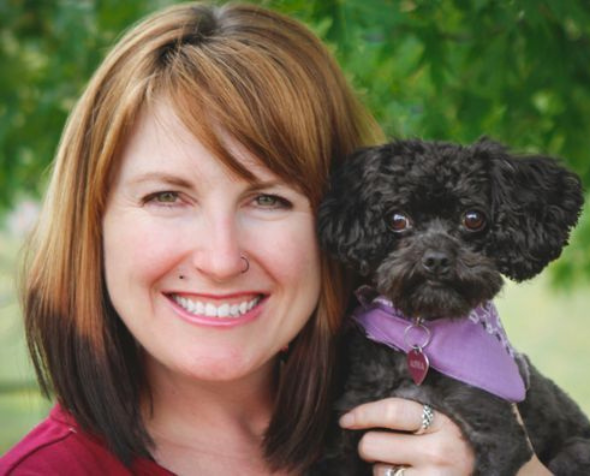
Darlene Brace, Behavioral Health Director in an integrated medical and dental clinic, is a graduate of both the Animals and Human Health (AHH) and Canine-Assisted Intervention Specialist (CAIS) certificates. In both of these programs, Brace learned valuable skills and knowledge that she has been able to take into her personal practice.
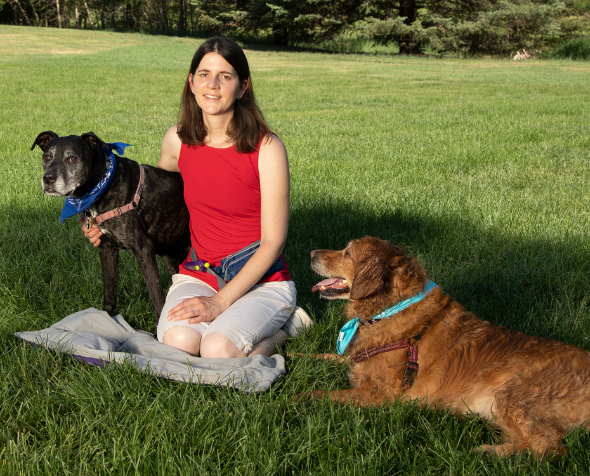
To further advance the field of human-animal-environment interactions (HAEI), IHAC is proud to support the Human-Animal-Environment Interaction in Social Work certificate at the University of Denver, Graduate School of Social Work. Sarah Pellizzari, an MSW graduate who earned the certificate (at the time known as the Animal-Assisted Social Work Certificate) in 2012, integrates pieces of her learning into her work today.
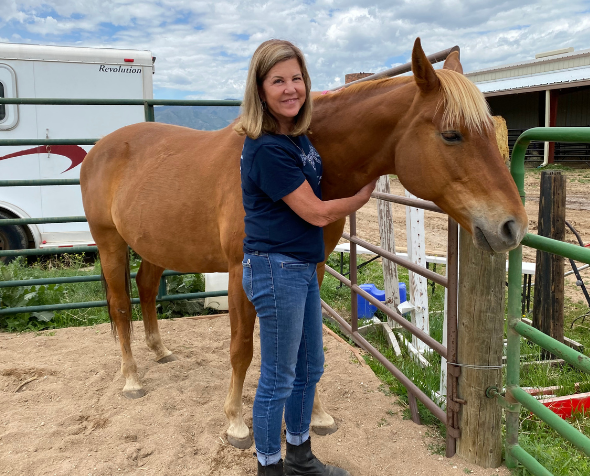
Jeanne Floerke, a licensed clinical psychologist specializing in work with children with medical illnesses, earned the Equine-Assisted Mental Health Practitioner (EAMH) Certificate in 2022. In her practice, Floerke offers inpatient, pediatric consultation for medical teams and outpatient treatment for children and adults.
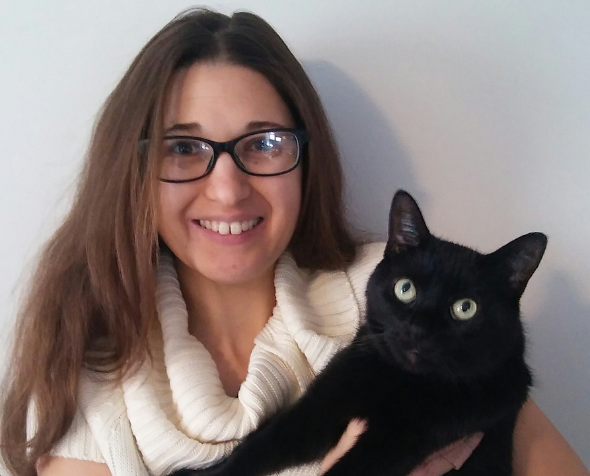
The Institute for Human-Animal Connection is excited to announce Kim Korona (she/her/hers) has joined the adjunct faculty team for the Humane Education Practitioner professional development certificate program. Korona brings an exceptional understanding and experience in humane education to our team, having worked in this field for almost 20 years.
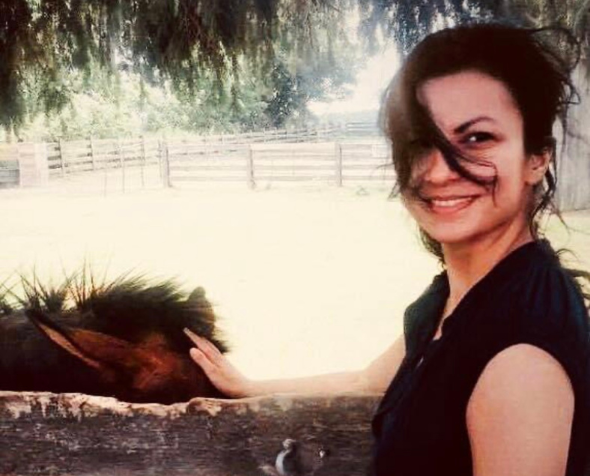
The Institute for Human-Animal Connection is excited to announce Mel Choubak (she/her/hers) has joined the adjunct faculty team for the Humane Education Practitioner professional development certificate program. Choubak is a social justice researcher and educator with a decade of experience in anti-oppression practice, community engagement and action.
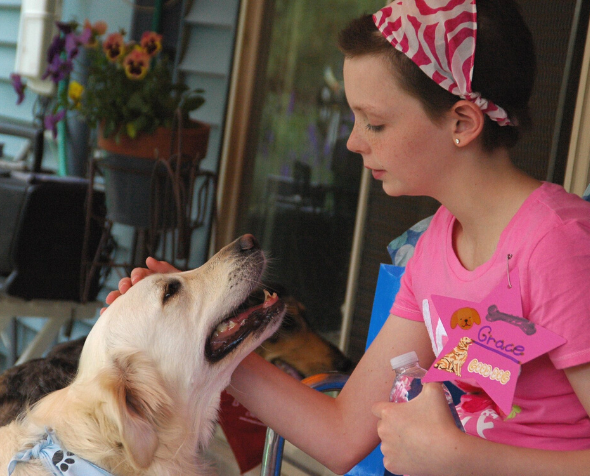
Employing the healing power of animals to improve human health and wellbeing is a natural fit for the profession of nursing. Nurses have long been at the forefront of providing holistic, innovative, non-pharmacological interventions in health promotion and symptom alleviation, including animal-assisted interventions for patients of all ages.
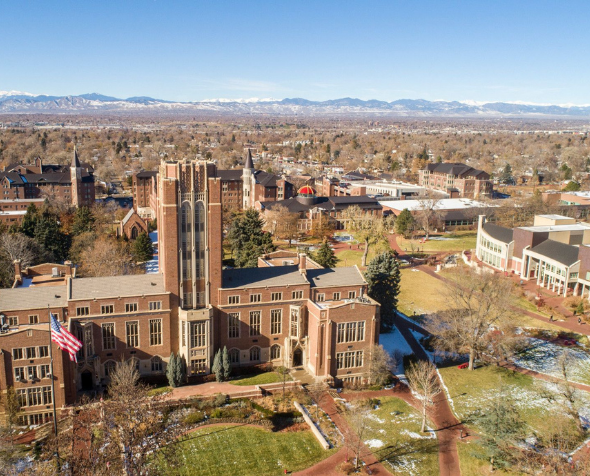
The Institute for Human-Animal Connection’s Post-Master of Social Work Research Fellowship program provides individuals with robust training in social science research with a focus on the Human-Animal-Environment Interaction field. The Research Fellows are integral members of the IHAC Research team, with an emphasis on creating academic products that include funding proposals, peer-reviewed journal articles, conference abstracts, and other publications to formally communicate research findings and build the Fellow’s professional portfolio.