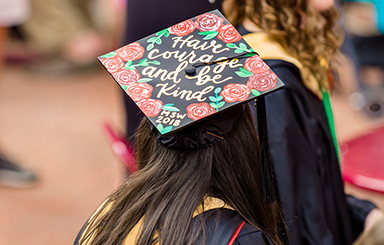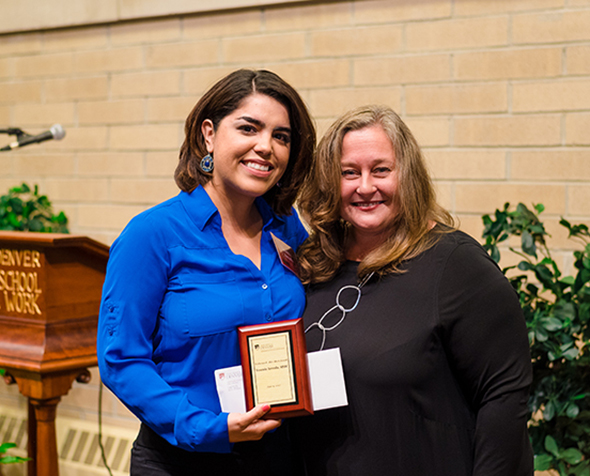
Graduate Yesenia Arreola wants to make change happen in her Western Colorado home, where she works with low-income and first-generation college students through TRIO outreach and student services programs.
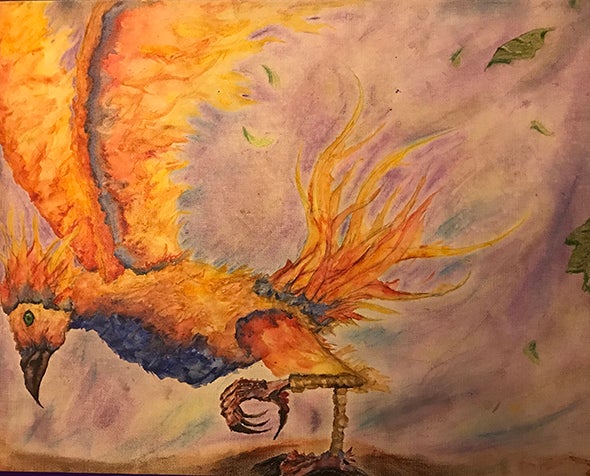
Denver Campus MSW students provide creative empowerment workshops for struggling youth at Art from Ashes, a GSSW field education partner.
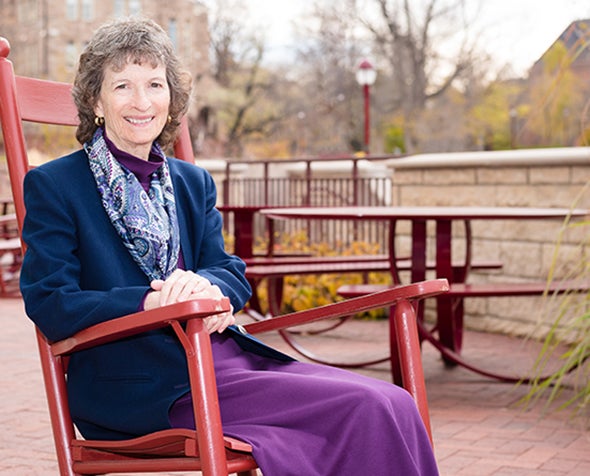
Prof. Jean East is retiring after 23 years as the ‘heart and soul’ of GSSW, leaving a legacy of positive impact on social work and social justice, and on the school and its students.
In a community research partnership, the Butler Institute for Families at GSSW is working with Alaska’s Matanuska-Susitna (Mat-Su) Borough to improve its family visitation program for kids in out-of-home care.

GSSW’s Center for Effective Interventions brings the best of implementation science to community agencies, helping them to scale effective interventions for children and families.
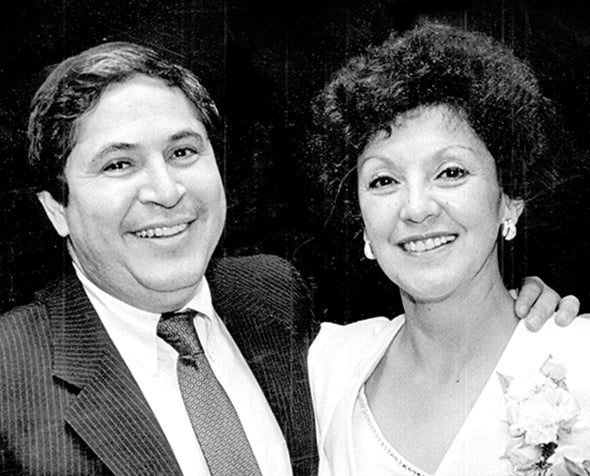
GSSW alumna Virginia Castro created a lasting legacy as a Chicano civil rights activist and as a social worker in Denver public schools, where she pioneered a program to keep teen moms in school.
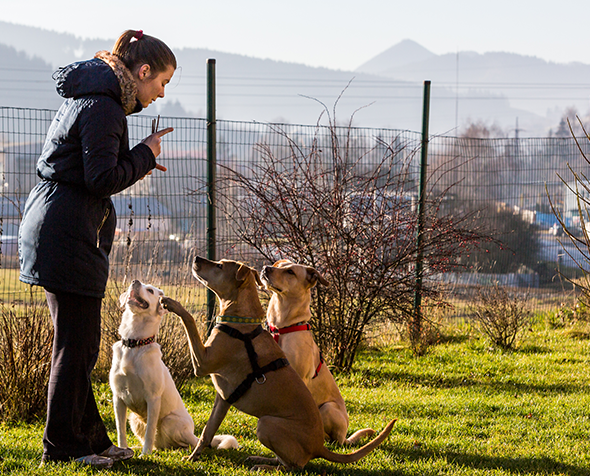
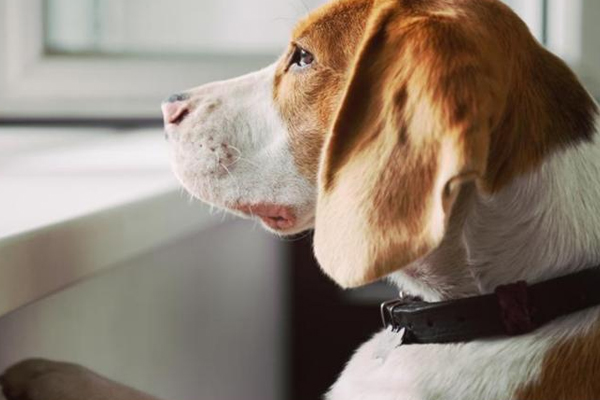
Can saving companion animal lives improve the economy? In the first study of its kind, the GSSW Institute for Human-Animal Connection is investigating the economic impacts of a no-kill animal shelter policy.
Using a dual-generation ecological approach to community intervention, a GSSW researcher is demonstrating that creating trusting neighborhood relationships can improve well-being in low-income communities.